
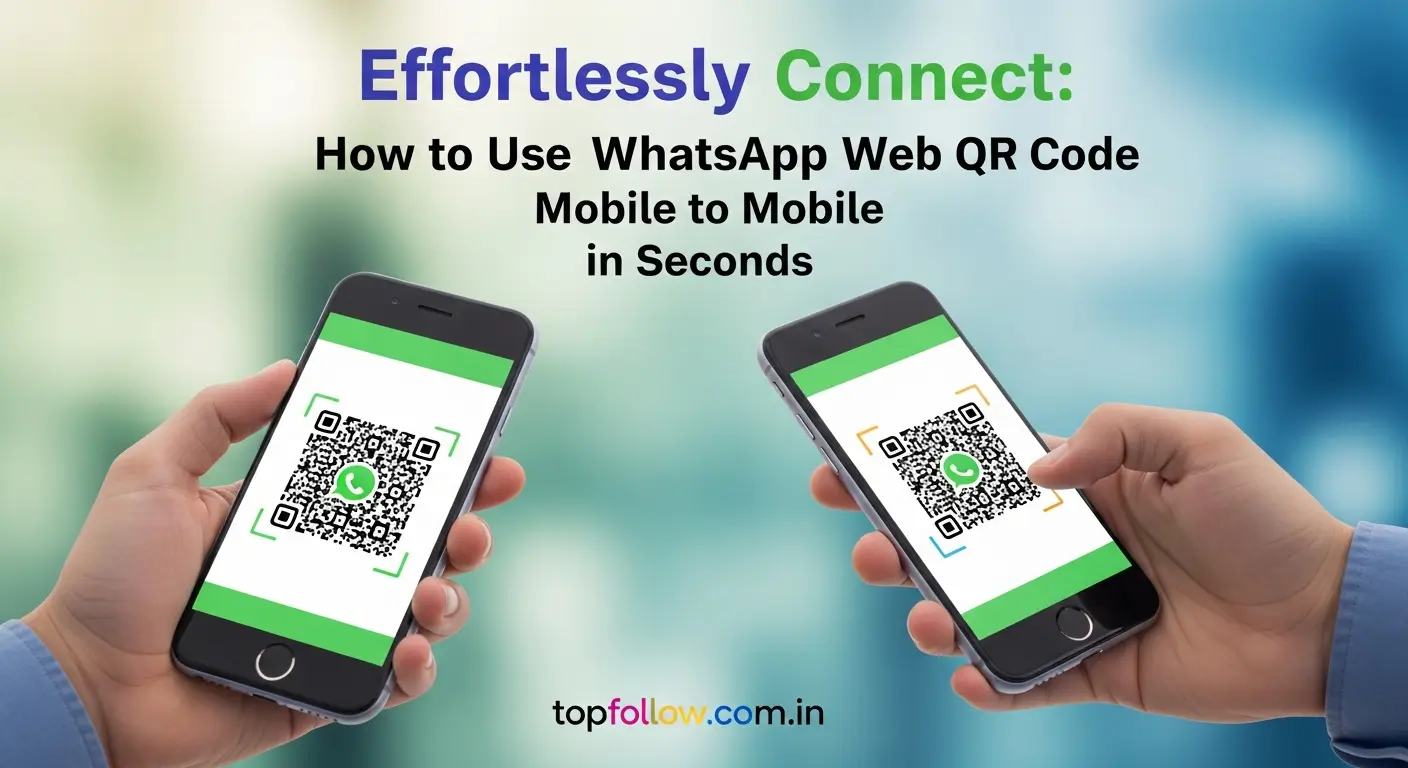
Welcome to top follow. In the modern world, communication is essential for both personal and professional life. WhatsApp has become one of the most popular messaging applications globally due to its simple interface and secure messaging services. One of the most convenient features of WhatsApp is WhatsApp Web, which allows users to access their account on a secondary device. By using WhatsApp Web Quick Response Code, users can effortlessly mirror their chats, media, and contacts on a second smartphone. This functionality is especially useful when one needs access to the same account on two devices without transferring data.
Using WhatsApp Web QR Code Mobile to Mobile allows users to link their primary WhatsApp account to a secondary phone in seconds. This process provides instant access to conversations and multimedia content, making it ideal for travelers, professionals, and anyone who wants to stay connected across devices. Understanding the proper method and benefits of this feature can significantly enhance the efficiency of mobile communication.
Pull Quote: “WhatsApp Web Quick Response Code mobile to mobile makes multi-device communication effortless and secure for everyone.”
Understanding WhatsApp Web and Its Advantages
What is WhatsApp Web?
WhatsApp Web is an extension of the mobile WhatsApp application that functions within a web browser. This feature allows users to access all messages, media, and contacts from another device without the need to install the application. Initially designed for computer users, WhatsApp Web can also function mobile to mobile by using a web browser in desktop mode. This enables users to link two mobile devices seamlessly.
The Quick Response Code displayed on the secondary device is a time-sensitive authentication code that ensures secure linking. Scanning the Quick Response Code with the primary device establishes a session, mirroring all messages and multimedia files instantly. This real-time synchronization makes WhatsApp Web a valuable tool for multi-device communication.
Pull Quote: “WhatsApp Web ensures that you never miss an important conversation by mirroring your messages on multiple devices.”
Benefits of WhatsApp Web Mobile to Mobile
- Multi-Device Access: Allows users to access the same account on two phones simultaneously.
- Time Efficiency: Eliminates the need to switch devices or applications frequently.
- Secure Authentication: Quick Response Code scanning provides a secure method to link devices without exposing passwords.
- Media Access: Users can view and download images, videos, and documents on the secondary device.
- Travel Convenience: Ideal for temporary access when using a second phone during trips.
These benefits make WhatsApp Web Quick Response Code mobile-to-mobile an essential feature for modern communication.
Read Also: WhatsApp Web QR
Step-by-Step Guide for Using WhatsApp Web Quick Response Code Mobile to Mobile
Preparing the Devices
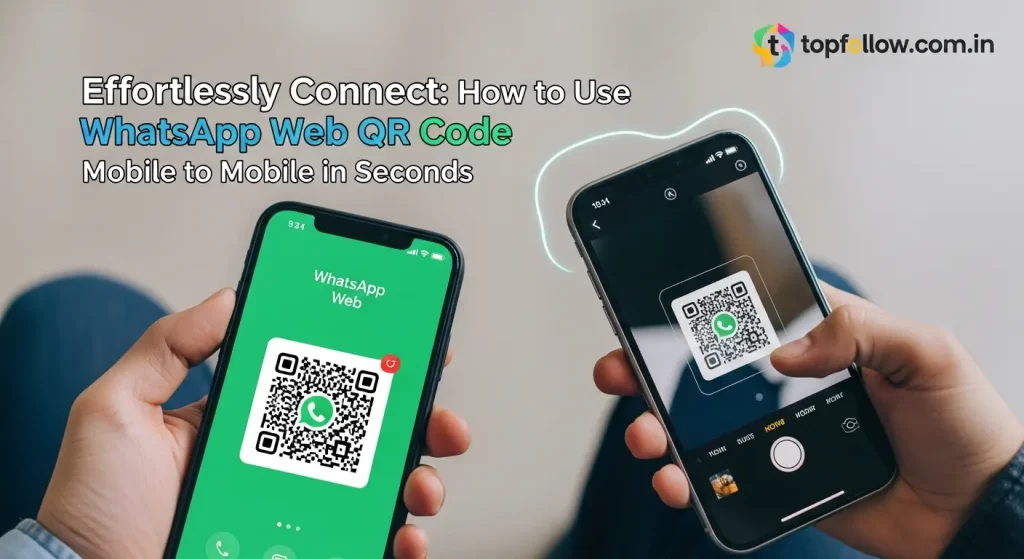
Instagram, ensure that both devices are connected to a stable internet connection. The primary device should have the WhatsApp application installed and logged in, while the secondary device should have a modern web browser such as Google Chrome, Mozilla Firefox, or Microsoft Edge. Enabling desktop mode on the secondary device is necessary to display the Quick Response Code correctly.
Accessing WhatsApp Web on the Secondary Device
- Open the web browser on the secondary device.
- Enter the website address web.whatsapp.com.
- If the browser redirects to the mobile version, select Request Desktop Site from the browser menu.
- The screen will display a Quick Response Code that refreshes periodically for security reasons.
Pull Quote: “Desktop mode ensures the Quick Response Code is displayed correctly, allowing secure mobile-to-mobile connection.”
Linking the Primary Device
On the primary device:
- Open the WhatsApp application.
- Navigate to Settings and select Linked Devices.
- Tap Link a Device to open the Quick Response Code scanner.
- Point the camera at the Quick Response Code displayed on the secondary device.
- After scanning, the secondary device will mirror the WhatsApp account, displaying all chats, media, and notifications.
This completes the secure linking between the primary and secondary devices, enabling seamless access to all conversations.
Technical Details of WhatsApp Web Quick Response Code
How the Quick Response Code Functions
The Quick Response Code generated by WhatsApp Web is a secure, time-limited token that establishes a session between devices. It does not contain passwords or private information but instead provides an encrypted authentication key. Scanning the Quick Response Code on the primary device confirms the session and mirrors all messages securely on the secondary device.
Real-Time Synchronization
WhatsApp Web ensures that all messages, media, and notifications are synchronized in real-time. End-to-end encryption protects user data, ensuring that only linked devices can access the content. Any message sent or received on the primary device will instantly appear on the secondary device, providing uninterrupted communication.
Pull Quote: “End-to-end encryption guarantees that mirrored messages remain secure and private between linked devices.”
Session Management
Active sessions can be monitored through the Linked Devices menu. Each session displays the device name, operating system, and last active time. Users can log out of any session at any time, ensuring control over device access and security.
Troubleshooting Common Issues
Expired Quick Response Code
The Quick Response Code refreshes every few seconds to maintain security. If it expires before scanning, reload the page to generate a new code.
Browser Display Problems
Some browsers may not render the Quick Response Code properly in mobile view. Enabling desktop mode or switching browsers usually resolves this issue.
Outdated WhatsApp Application
The primary device must have the latest version of WhatsApp. Older versions may not support mobile-to-mobile linking.
Internet Connectivity
A weak or unstable internet connection on either device can disrupt synchronization. Both devices must have stable connections to ensure real-time mirroring.
Pull Quote: “Reliable internet connectivity is essential for uninterrupted mobile-to-mobile WhatsApp Web access.”
Tips for Optimizing Mobile-to-Mobile WhatsApp Web
- Regularly update the WhatsApp application to maintain compatibility.
- Use secure networks when linking devices to prevent unauthorized access.
- Log out of sessions after use to enhance security.
- Always enable desktop mode on the secondary device.
- Monitor active sessions to verify linked devices.
Implementing these tips ensures a safe, efficient, and productive experience with WhatsApp Web across multiple devices.
Practical Use Cases
Professional Communication
Professionals managing multiple devices for business purposes can use WhatsApp Web on mobile to streamline communication. This allows customer support agents or team members to respond quickly without constantly switching devices.
Traveling Individuals
For individuals who travel frequently, accessing WhatsApp temporarily on a second phone provides convenience. The primary account can remain on the main device while the secondary device mirrors conversations seamlessly.
File Sharing Between Devices
Mobile-to-mobile linking enables quick transfer of multimedia files between devices. Users can view images, videos, and documents on the secondary phone without needing external storage or cloud services.
Temporary Device Access
In scenarios where the primary device is unavailable, users can link their WhatsApp account temporarily to another phone. This ensures continued access without compromising account security or losing messages.
Pull Quote: “Mobile-to-mobile WhatsApp Web provides secure temporary access for individuals who need flexibility in device usage.”
Security Considerations
WhatsApp Web Quick Response Code mobile-to-mobile is secure due to encrypted authentication. However, users must remain vigilant. Only link trusted devices, avoid public networks, and monitor active sessions frequently. End-to-end encryption ensures that messages are protected from unauthorized access, and manual precautions enhance security further.
Comparing WhatsApp Web to Multi-Device Beta
| Feature | WhatsApp Web Mobile-to-Mobile | WhatsApp Multi-Device Beta |
| Number of Devices | One secondary device | Up to four devices |
| Linking Method | Quick Response Code | Quick Response Code or one-time code |
| Internet Requirement | Both devices must be online | The primary device is occasionally required |
| Security | End-to-end encryption | End-to-end encryption |
| Session Type | Temporary or permanent | Permanent multi-device access |
This comparison highlights that while WhatsApp Web mobile-to-mobile is convenient, the multi-device beta feature provides additional flexibility for users requiring multiple devices simultaneously.
Frequently Asked Questions
Can I Use WhatsApp Web on Two Phones Simultaneously?
Yes. By scanning the Quick Response Code on the secondary phone, users can mirror their primary WhatsApp account. Both devices must remain connected to the internet for continuous synchronization.
Is Mobile-to-Mobile WhatsApp Web Secure?
Yes. The Quick Response Code provides encrypted authentication, and all messages are end-to-end encrypted. Monitoring linked devices ensures additional security.
What Should I Do if the Quick Response Code Does Not Scan?
Ensure desktop mode is enabled on the secondary device. Update WhatsApp on the primary device and verify that the internet connection is stable. Refresh the Quick Response Code if necessary.
Can I Access Media on the Secondary Phone?
Yes. WhatsApp Web mirrors all messages and multimedia files, allowing users to view images, videos, and documents seamlessly on a secondary phone.
Does WhatsApp Web Work Offline?
No. Both devices must be connected to the internet for real-time synchronization.
Conclusion
WhatsApp Web Quick Response Code mobile to mobile offers a secure and efficient way to access your account on a secondary device without any data transfer. It mirrors all chats, media, and notifications in real time, ensuring seamless communication across devices. By following the correct steps, enabling desktop mode on the secondary device, and maintaining a stable internet connection, users can enjoy uninterrupted messaging. Monitoring linked devices and keeping the application updated further enhances security and performance. This feature is ideal for travelers, professionals, and multi-device users, providing convenience, speed, and effortless connectivity in every situation.
